Who a native garden in Perth suits
Native landscaping in Perth replaces thirsty lawn and exotic beds with WA plants that cope with sandy soil and long, dry summers. It suits homeowners whose water use and weekend upkeep have crept too high, and who want a garden that stays fresh between watering days rather than browning off by late summer.
What a full native garden can look like
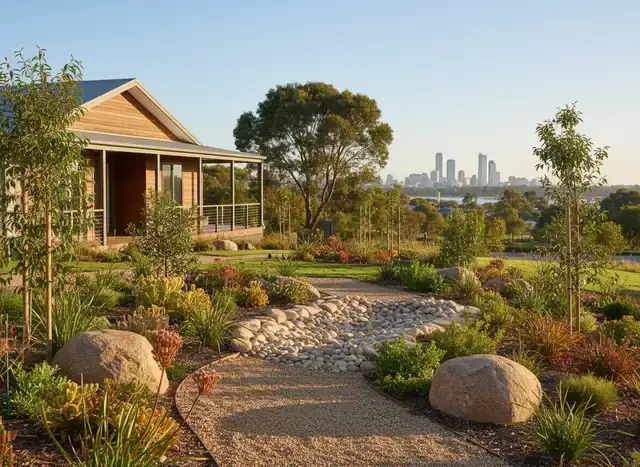
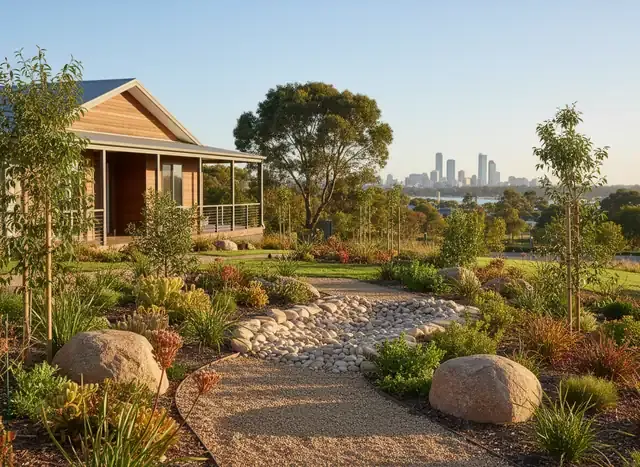
A well planned native garden looks full and layered: low groundcovers along the edges, strappy grasses and flowering shrubs in the middle, and a small tree or two for shade. Grouping plants by height and repeating a few favourites gives a calm, deliberate look, and birds and bees tend to follow the flowers.
Understanding sandy soil and plant choice
Perth sand drains fast and holds few nutrients, so water and fertiliser can wash straight past the roots. Many WA natives are adapted to exactly that, though soil improver and a layer of mulch still help new plants settle in. Choose species by aspect too, since a west facing bed bakes far harder than a shaded side path.
Reticulation, bore Water and watering days
Natives grouped in their own zone can run on fewer, deeper drinks than lawn. If you have a bore, check that the existing zones and drippers still match the new layout. Look up the Water Corporation sprinkler rules for your address, which set your watering days, and program the controller to match before planting goes in.
Fire-resistant and low maintenance garden design
Placement matters close to the house. Keeping open space, gravel or low groundcovers near walls, and avoiding dense shrubs and heavy leaf litter against windows, makes the garden easier to manage in hot weather. Once established, a native bed mostly needs a tidy prune after flowering, a fresh layer of mulch and a quick dripper check.
The natives versus exotics decision
Natives are not automatically better, but in Perth they usually need less water and fertiliser once settled than many exotics. A scrappy look tends to come from scattered single plants, bare sand and no pruning. Mass planting, clean edges, a defined path and a few hardy exotics where you want them keep the garden looking cared for.
Next step: map where the Water goes
When you request a quote here, a licensed and insured local contractor can follow up, so have the rough garden area, your watering setup and the look you are after ready. Before then, mark which beds or lawn patches use the most water or time, and save photos of native gardens you like.
What native garden landscaping can cover
Full native garden makeover
Replanting most of the yard with layered WA natives, mulch and clean edges for a garden that needs far less water.
Lawn to native bed conversion
Swapping part of a thirsty lawn for native beds while keeping a smaller patch of turf where it gets used.
Reticulation changes for natives
Splitting native beds into their own zone with drippers, on scheme water or a garden bore.